First Release — 13 Lots Now Selling
An Australian Generational Habitat
Interactive Station Map
IronBark Station
Tap any lot to load its film.
Select a lot
Available
13
On Hold
0
Sold
0
From
$609k – $890k
Stage 1 · 13 lots · 13 still available at time of page load
IronBark Station
A Multi-Generational Habitat.
In Australian history, a station has always meant scale — a property large enough to sustain itself, to support families, animals, and work.
Ironbark carries that legacy forward — but with a new intention: to create a living habitat where human life, nature, and infrastructure coexist.
It is a vision of extraordinary scale: 100-acre lots — think five Suncorp Stadiums — serviced by 10-metre roads sturdy enough to take the load of a B-double, with access to three-phase power for serious rural use and water sourced from on-site dams.
For under $700,000 per lot.
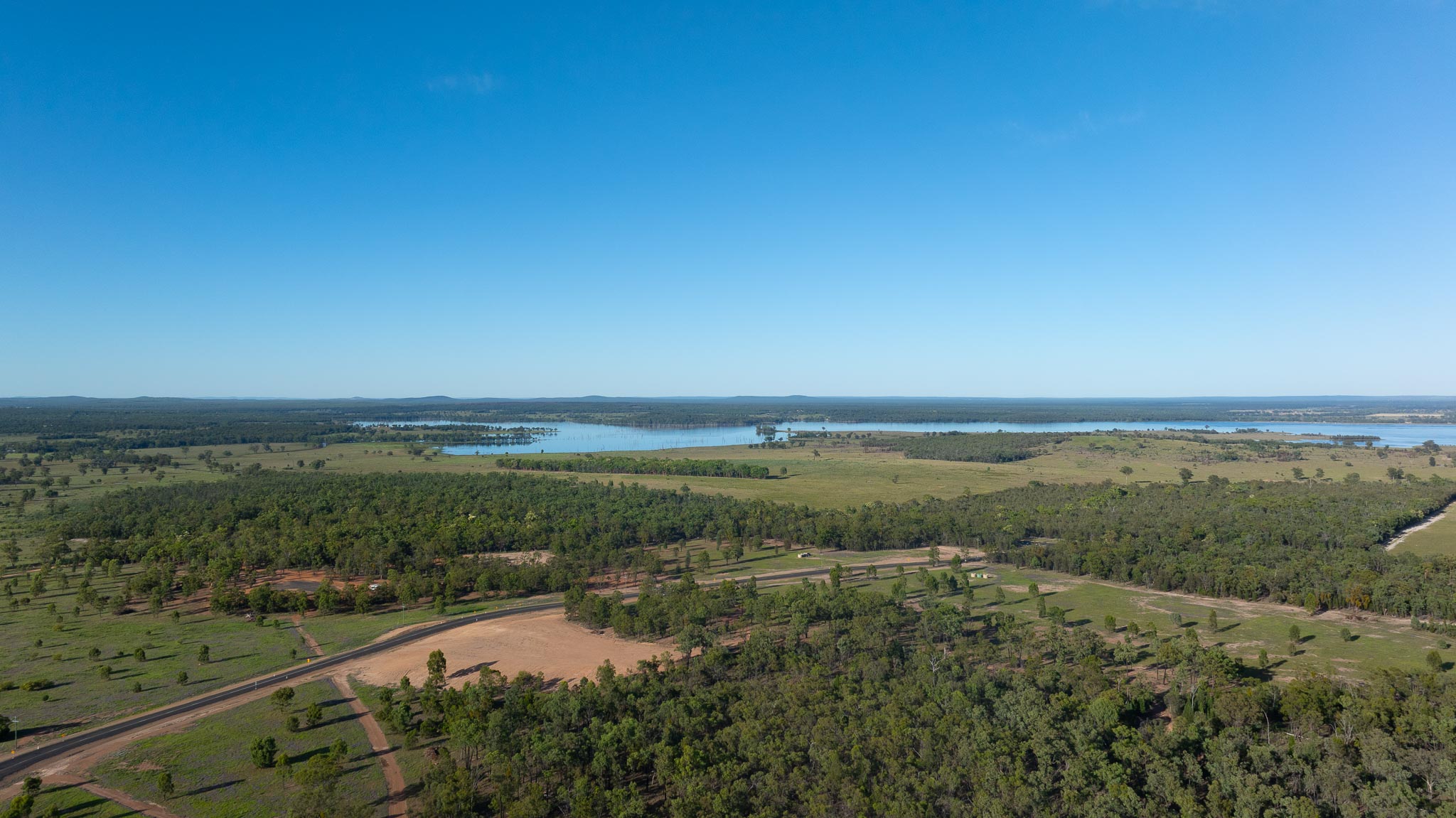
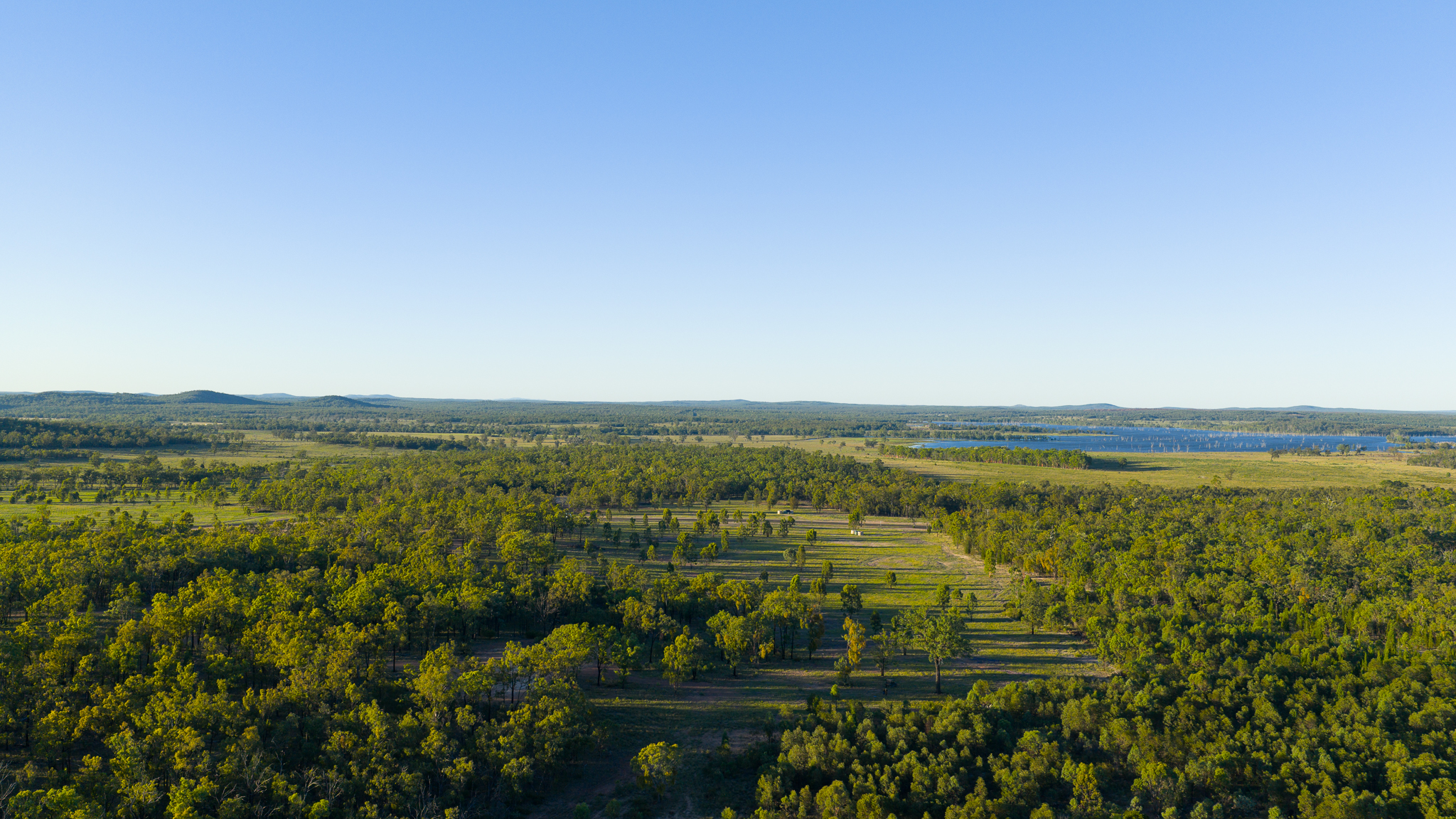
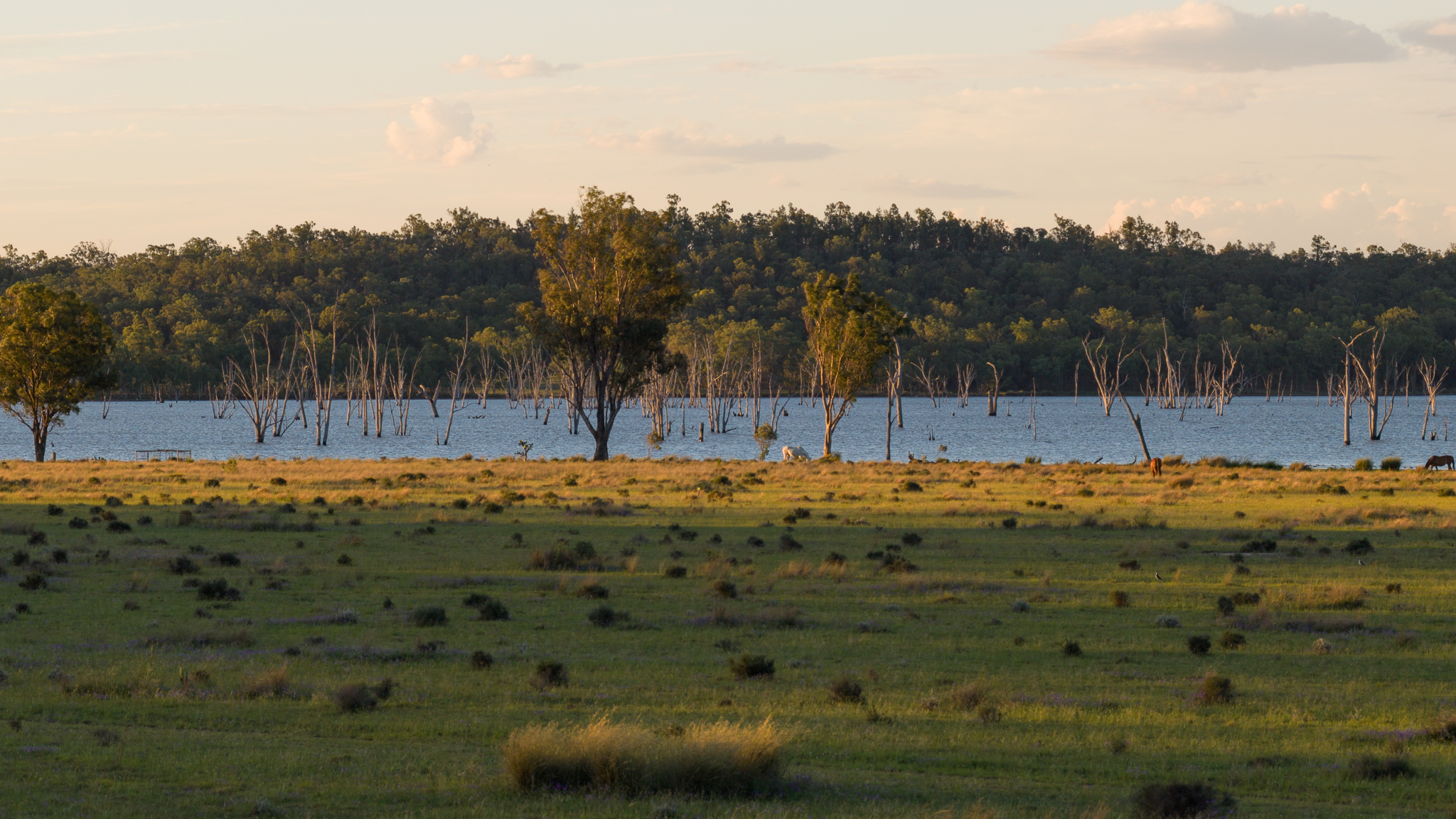
Ironbark Station is located approximately 3.5 hours west of Brisbane, on the slopes overlooking Coolmunda Dam.
Ironbark gives families the space to live, build, and grow across generations.
A single parcel can host multiple homes, allowing parents, children, and even grandchildren to remain connected — living independently, yet side by side.
It's a model for intergenerational living, designed for Australia's next century.
Cities have turned us into tenants of our own ambition — people stacked in concrete, fenced in by debt, calling it “lifestyle.”
But this land doesn't speak that language.
It speaks in roots, not leases.
It holds memory in soil, not spreadsheets.
Ironbark Station is the prototype for something older and more enduring — an Australian generational habitat.
It's not a development.
It's not an estate.
It's a living system designed for families to grow across time — a place where children can inherit not just land, but belonging.
Here, habitat means more than the shape of a house.
It means trees that outlive us. Soil that heals. Water that moves through the property like a vein, not a boundary.
That's the difference between an estate and a habitat.
“An estate ends when the developer leaves. A habitat begins when the first roots take hold.”
Important · STCA
All references to multiple dwellings, additional homes, building configurations, future works, infrastructure, or land use on IronBark Station are indicative only and Subject to Council Approval (STCA). Local planning schemes, overlays, and council policy may change over time. Buyers must make their own enquiries with the relevant council and licensed professionals before relying on any statement made on this page.
Read full Terms & Disclaimer →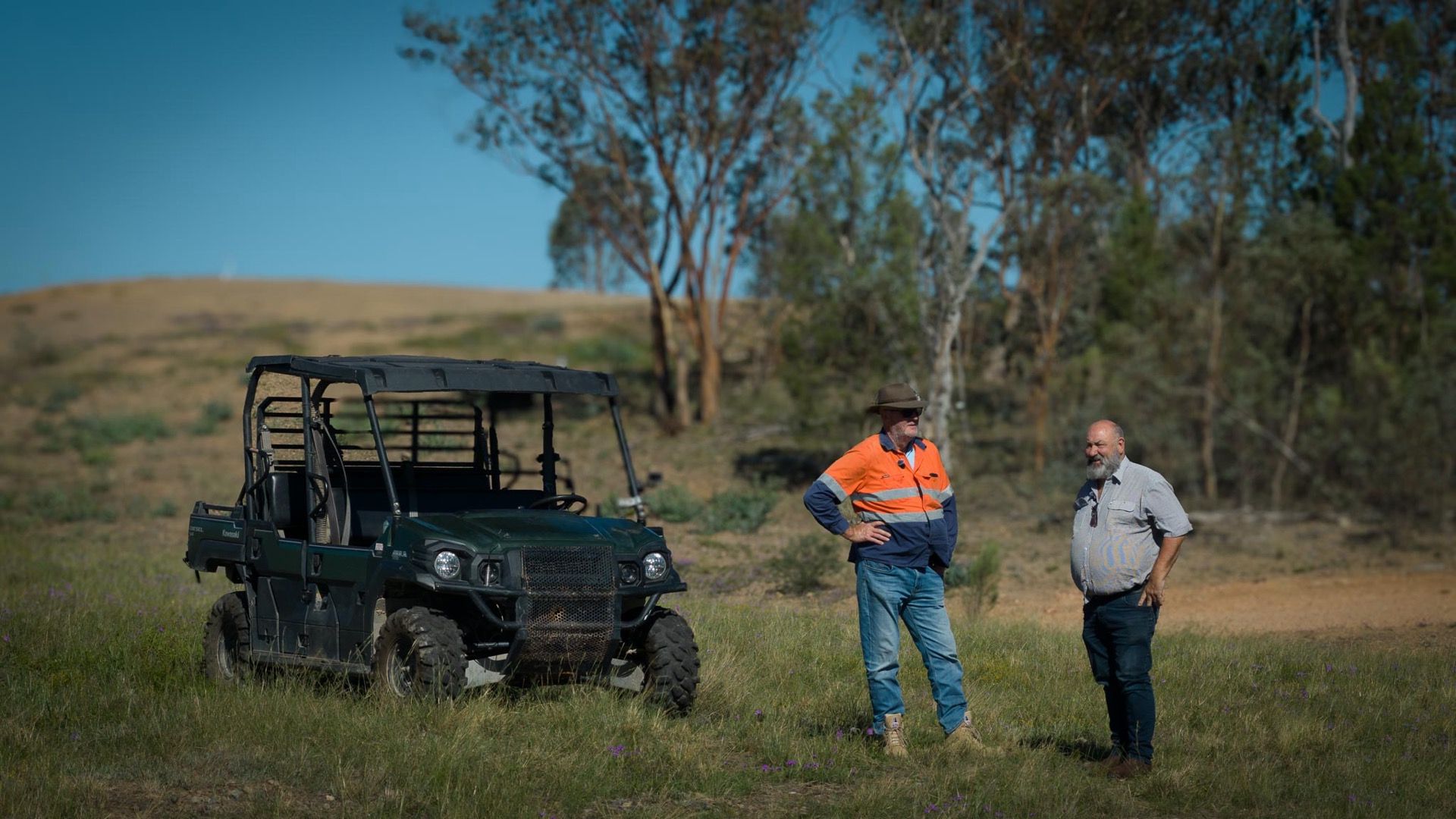
IronBark Station • Wayne Seymour
The Man Who Thinks at Station Scale
Wayne Seymour doesn't think small. Doesn't small talk. If he wants to go somewhere, he builds a road.
When we speak of Station, we're speaking of land where the horizon dissolves — where earth and sky share the same breath. A place vast enough to hold history and hope in the same frame.
You don't use the word Station lightly. It's not real-estate language. It's a word carried by those who build for generations, not quarters.
Wayne Seymour thinks at that scale.
The Land
Not a traditional estate.
Ironbark Station isn't a traditional estate.
It's a different kind of suburb — one that breathes.
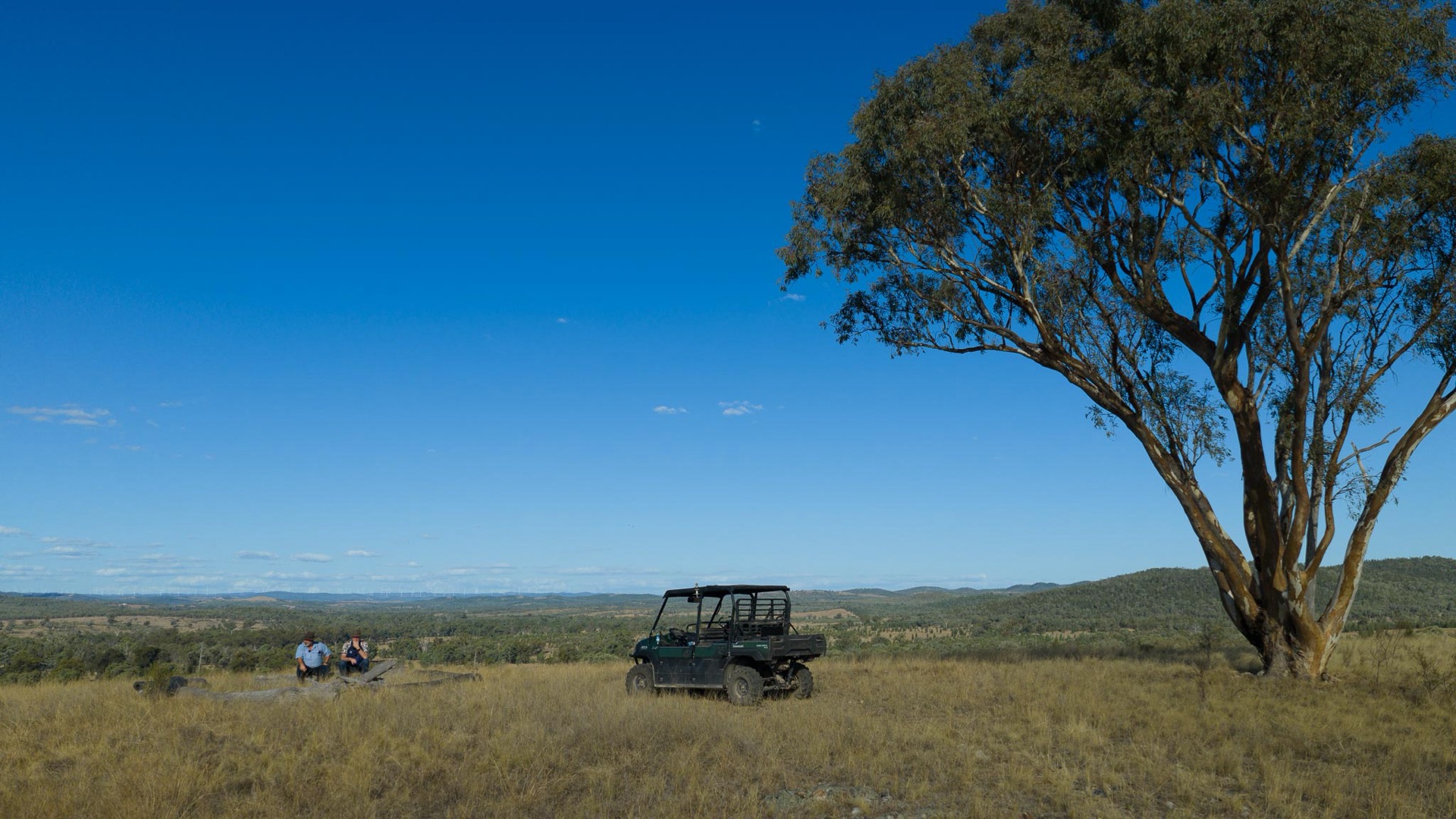
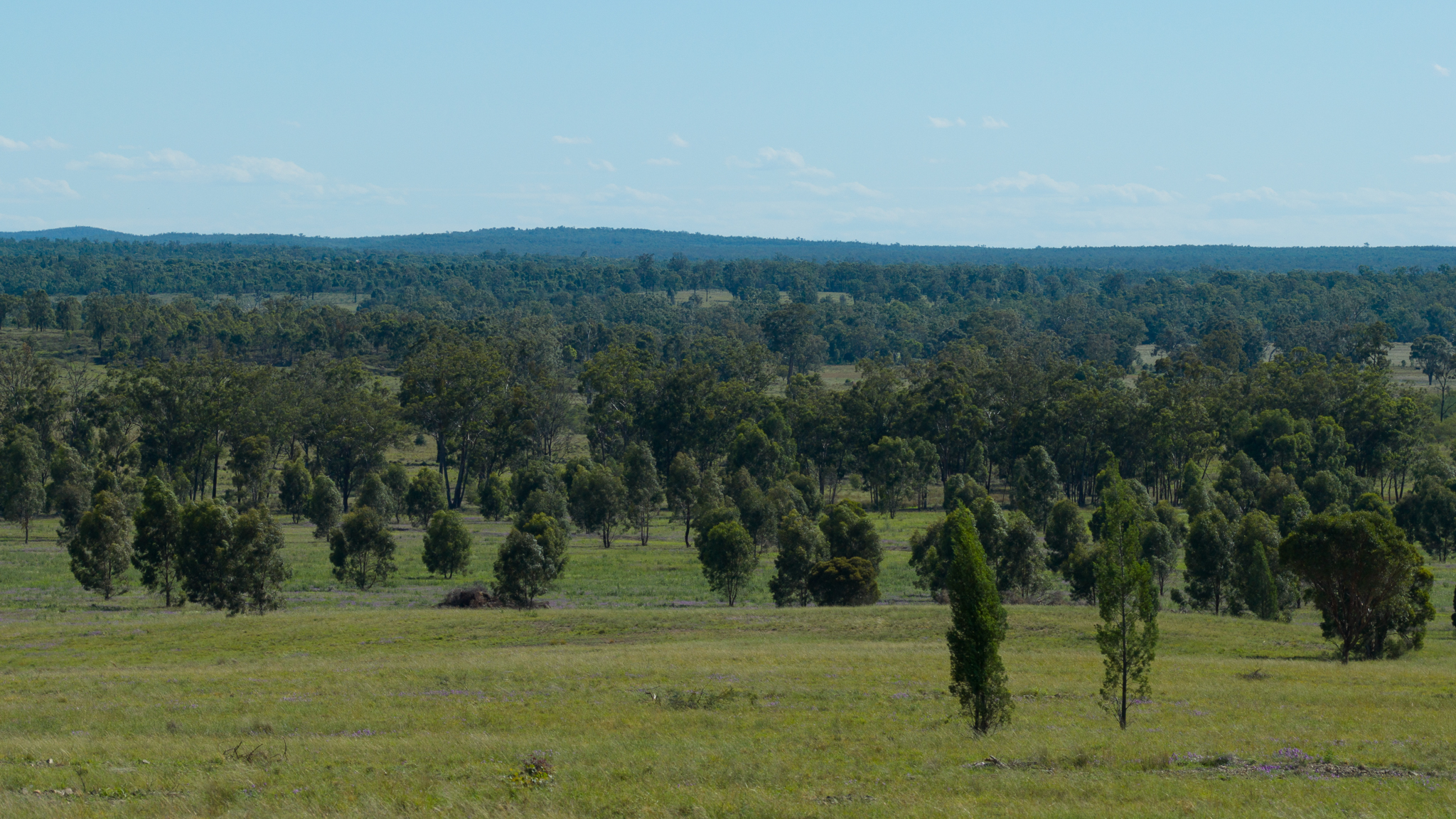
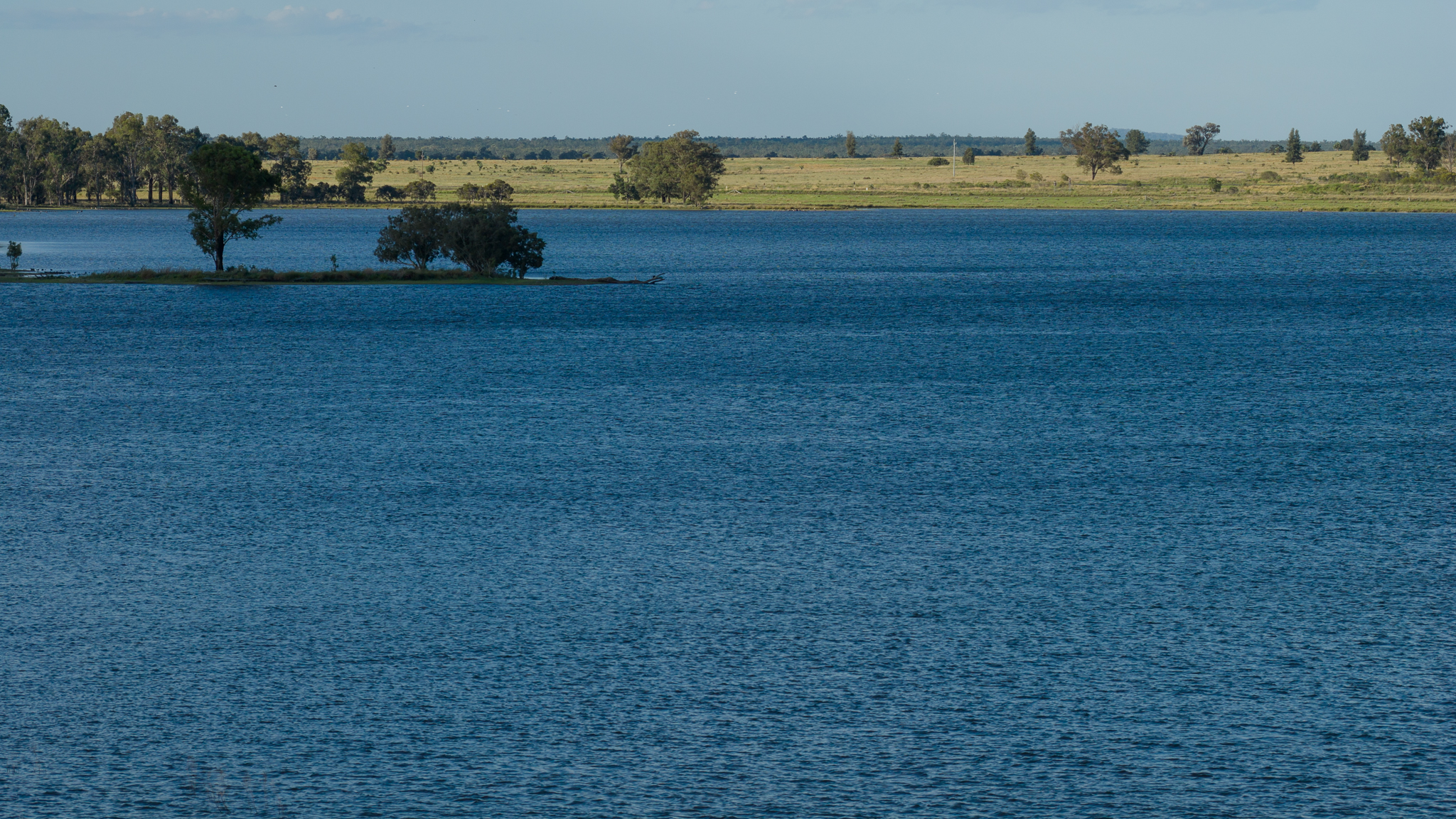
The land surrounding Coolmunda Dam sits within Southern Queensland's semi-arid belt — open, gently undulating country dotted with ironbark and eucalypt woodland.
Near the waterline, vegetation shifts to grass fringes and reeds, forming a patchwork of ecosystems that support birdlife, grazing animals, and local wildlife.
The region experiences moderate rainfall, strong sunlight, and periodic drought, giving rise to vegetation built for endurance, not display.
This is a grazing landscape — shaped by generations, yet still carrying its wild edges.
Fencelines, red soils, native grasses pushing through.
“A place defined by time, not trend.”
Infrastructure
Built for real rural living.
Ironbark Station combines scale with practical infrastructure.
100-acre lots with room for multiple homes.
10-metre access roads built for heavy vehicle movement.
Three-phase power suitable for workshops, machinery, and larger residential loads, supplied via a broader rural distribution network.
Water sourced from on-site dams.
This is not ornamental land.
“It is land designed to function.”
Continuity
Designed for generations.
Ironbark Station is built on a simple idea.
Land should outlast the people who first live on it.
A single parcel can support multiple homes, allowing families to remain connected without losing independence.
Parents. Children. Future generations.
Living side by side — not separated by distance, cost, or constraint.
This is not short-term thinking.
“It is a structure for continuity.”

The Sky
Land, light, and time.
The skies here are among the clearest in rural Queensland.
With minimal light pollution, the Milky Way is visible overhead — a reminder of how rare true darkness has become.
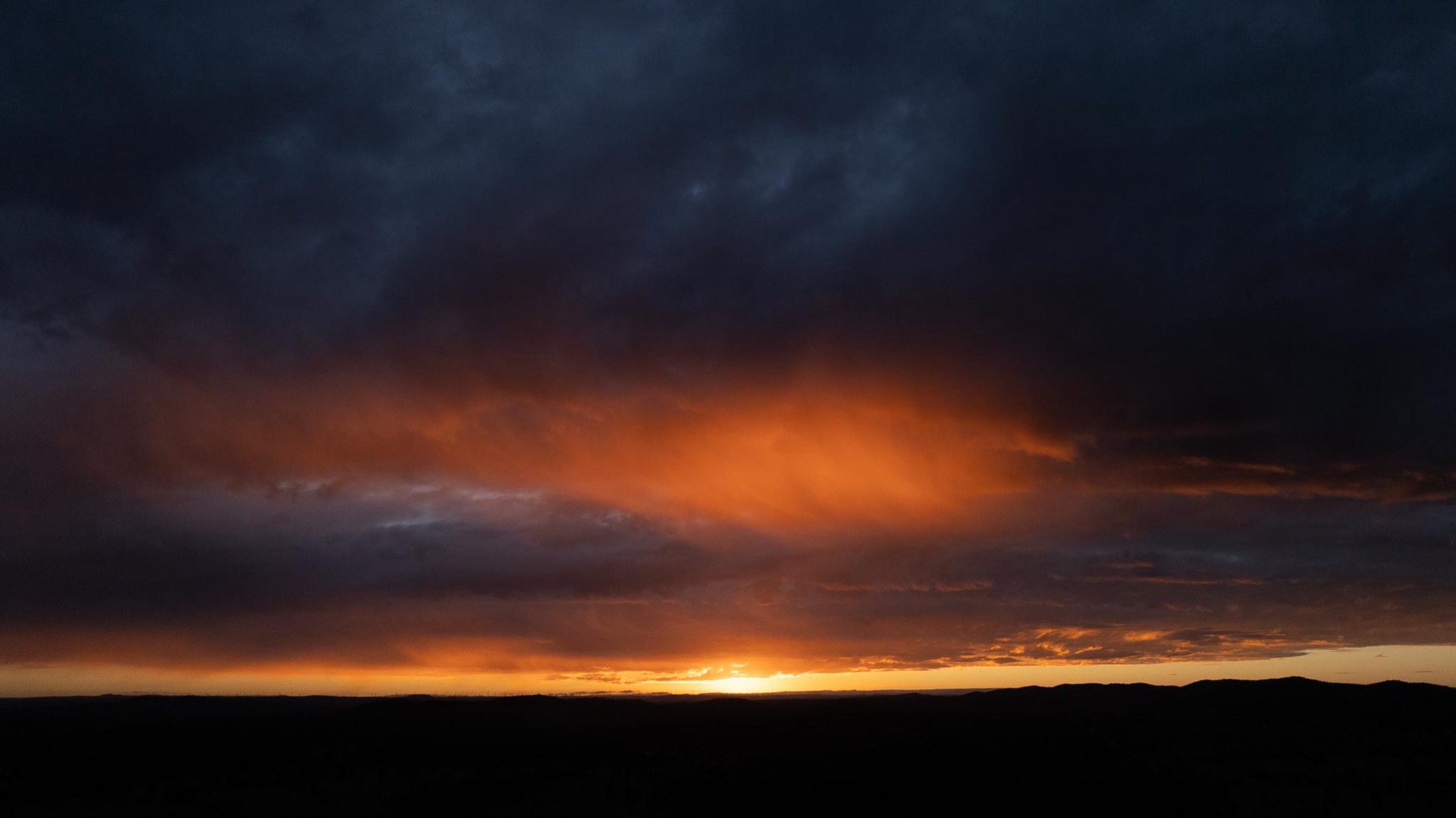
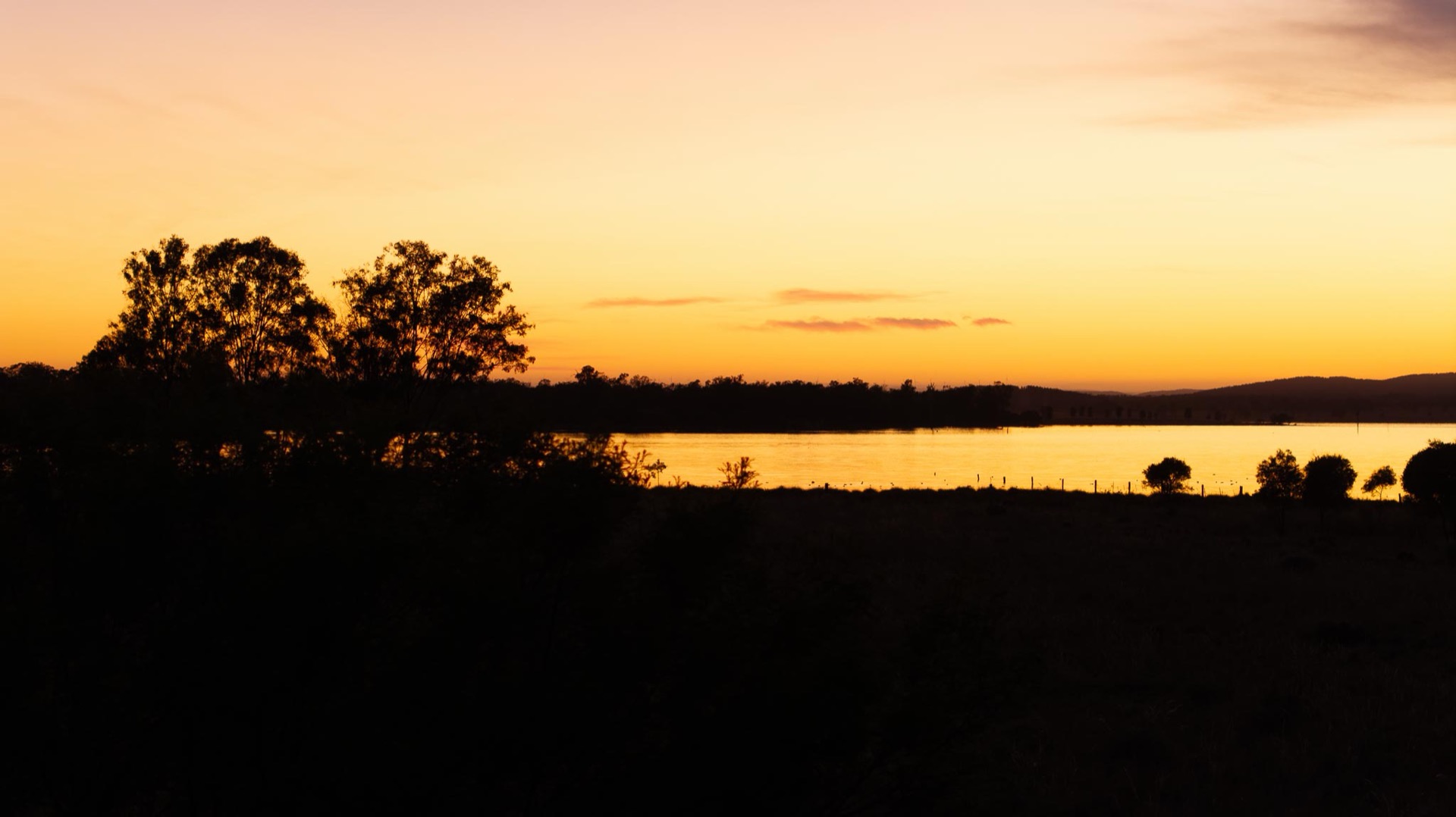
Wide horizons create long sunrises and slow sunsets.
Light moves differently here.
The terrain is open and usable — flat to gently undulating — suited to long-term living, building, and adaptation.
This is a place that resets rhythm.
Sunrise matters. Sunset matters. Night returns.
Tone
A different kind of future.
The tone of Ironbark is quiet, steady, and enduring.
It stands apart from urban compression and noise.
It offers something simpler — and harder to find.
Space. Connection. Continuity.
For those looking beyond the suburban model, Ironbark Station offers land that holds.
Not just for now.
“But for what comes next.”
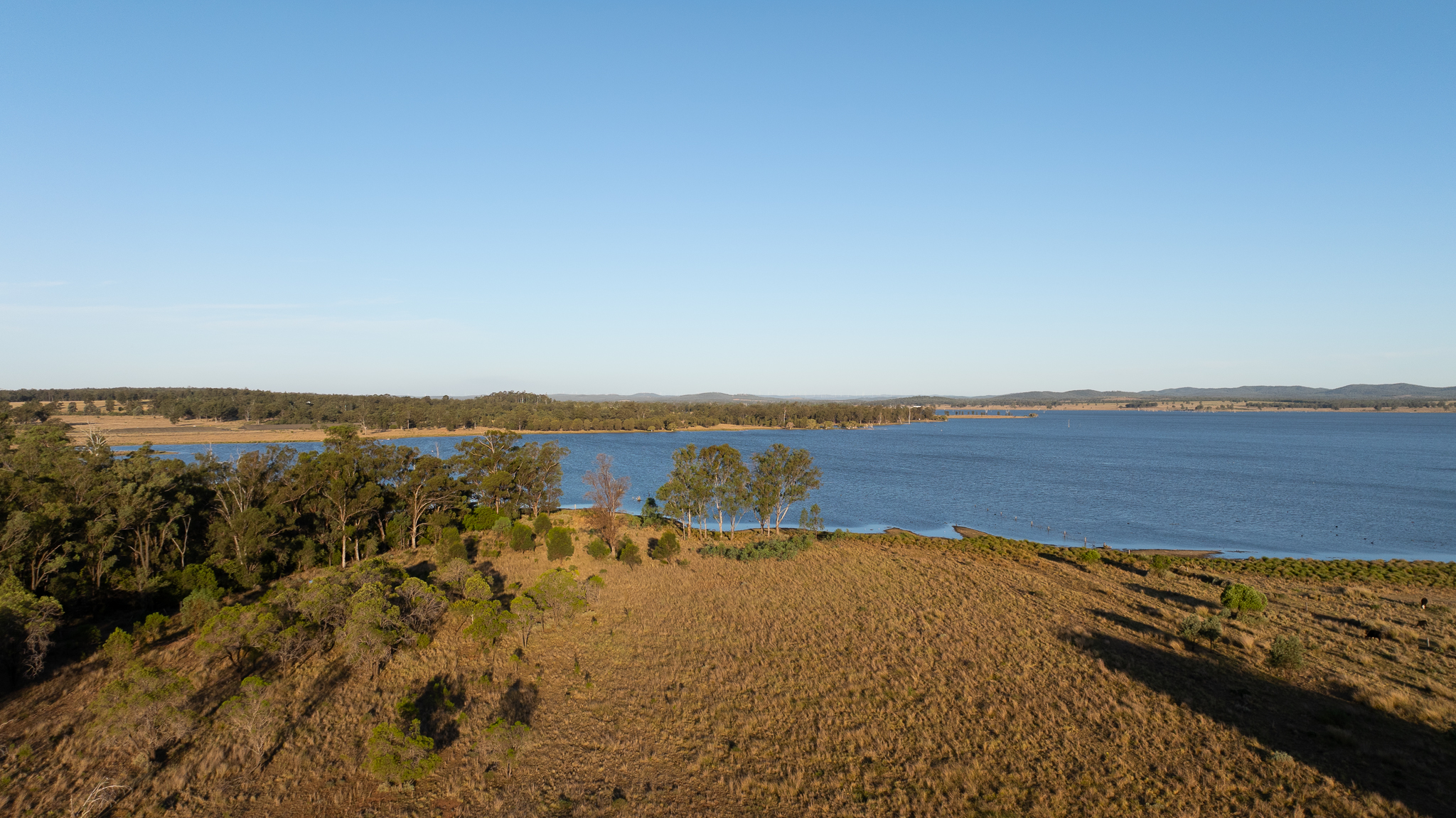
Regional Context · Coolmunda Dam
Water, agriculture, long-term land use.
Ironbark Station sits within a well-established rural system shaped by water, agriculture, and long-term land use.
Coolmunda Dam is a key water storage asset in Southern Queensland, built in 1968 and supporting irrigation, town water supply, and recreation across the Darling Downs.
Located on Macintyre Brook, approximately 13 km east of Inglewood.
Capacity of approximately 69,000 megalitres.
Catchment area of around 1,735 square kilometres.
Supports irrigation across surrounding agricultural land.
Used for boating, fishing, and camping.
“The dam plays a stabilising role in the region — supporting both agriculture and local communities.”
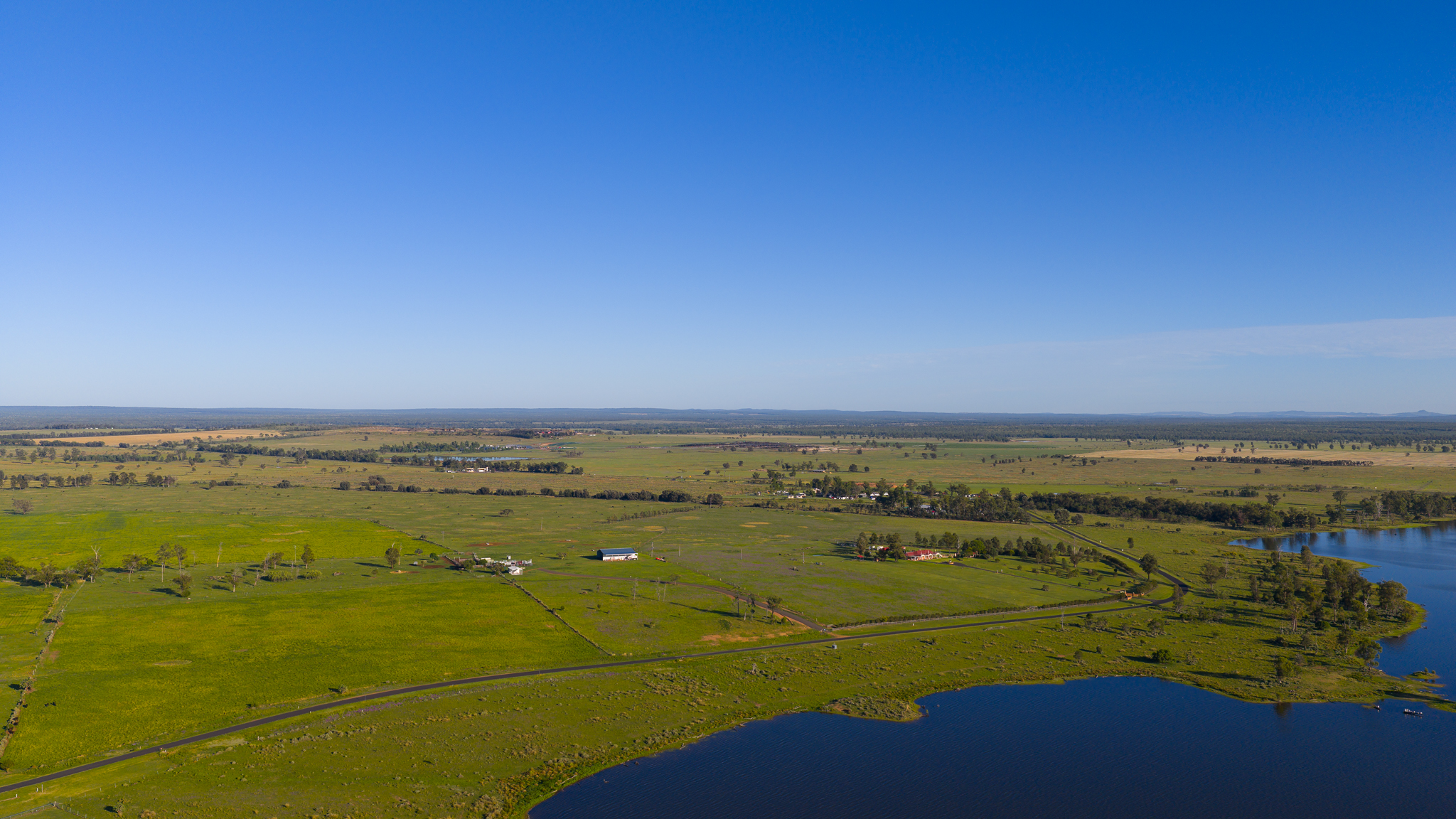
The Region
The Goondiwindi Region.
Ironbark Station sits within the Goondiwindi Region — a large rural district on the Queensland–New South Wales border.
Land area: approximately 19,000 square kilometres.
Population: just over 10,000 residents.
Economy driven by agriculture — cotton, grain, and cattle.
Regional output supported by irrigation systems and dam infrastructure.
“A working rural environment — shaped by time, climate, and land use.”
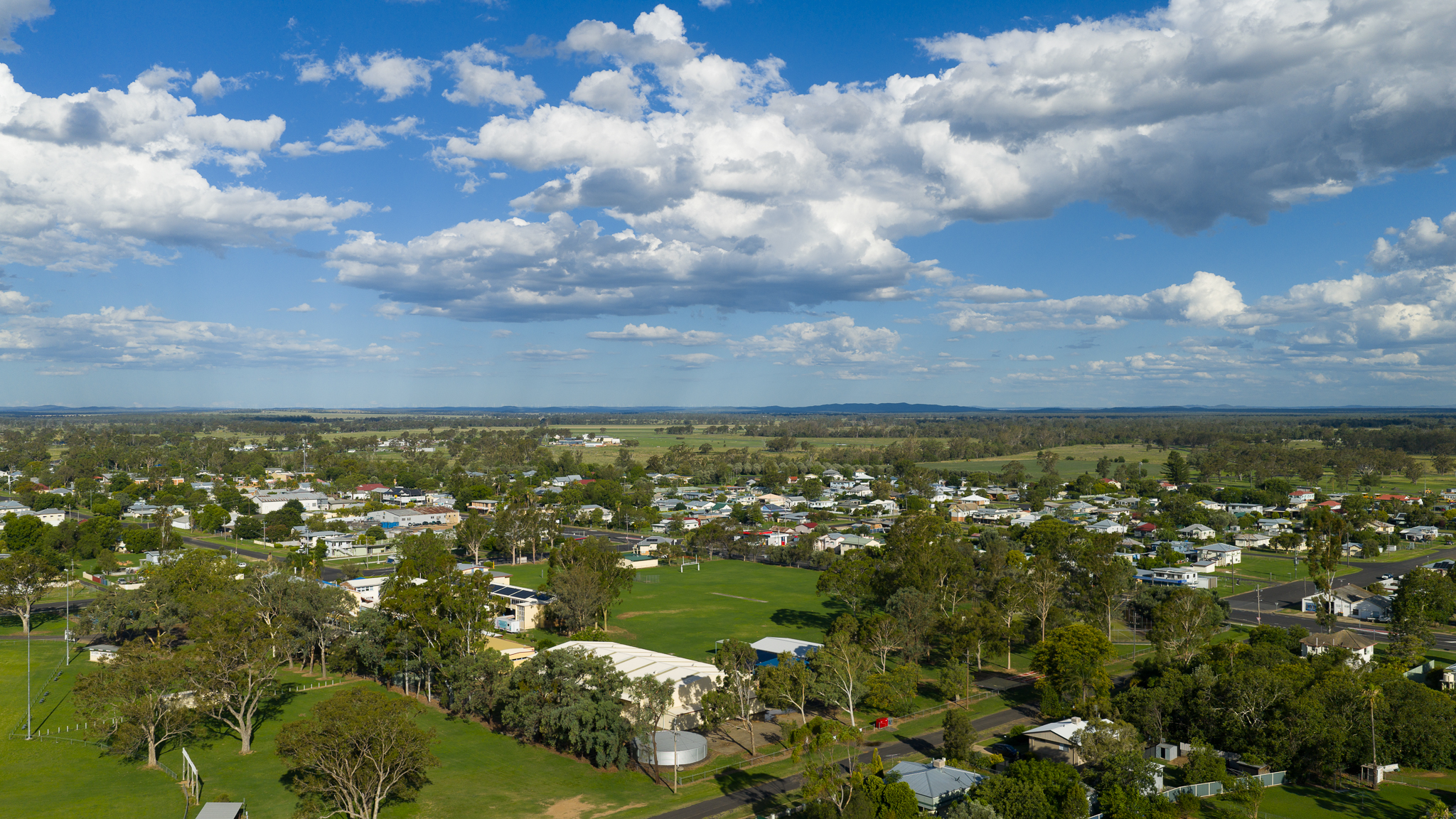
Service Centre · ~13 km
Inglewood.
Approximately 13 km from Ironbark Station.
A small rural town with access to Coolmunda Dam, local services, and community infrastructure.
Fuel. Fresh food. Medical. Post office. The pub. The footy oval.
Close enough to use. Far enough to not hear.
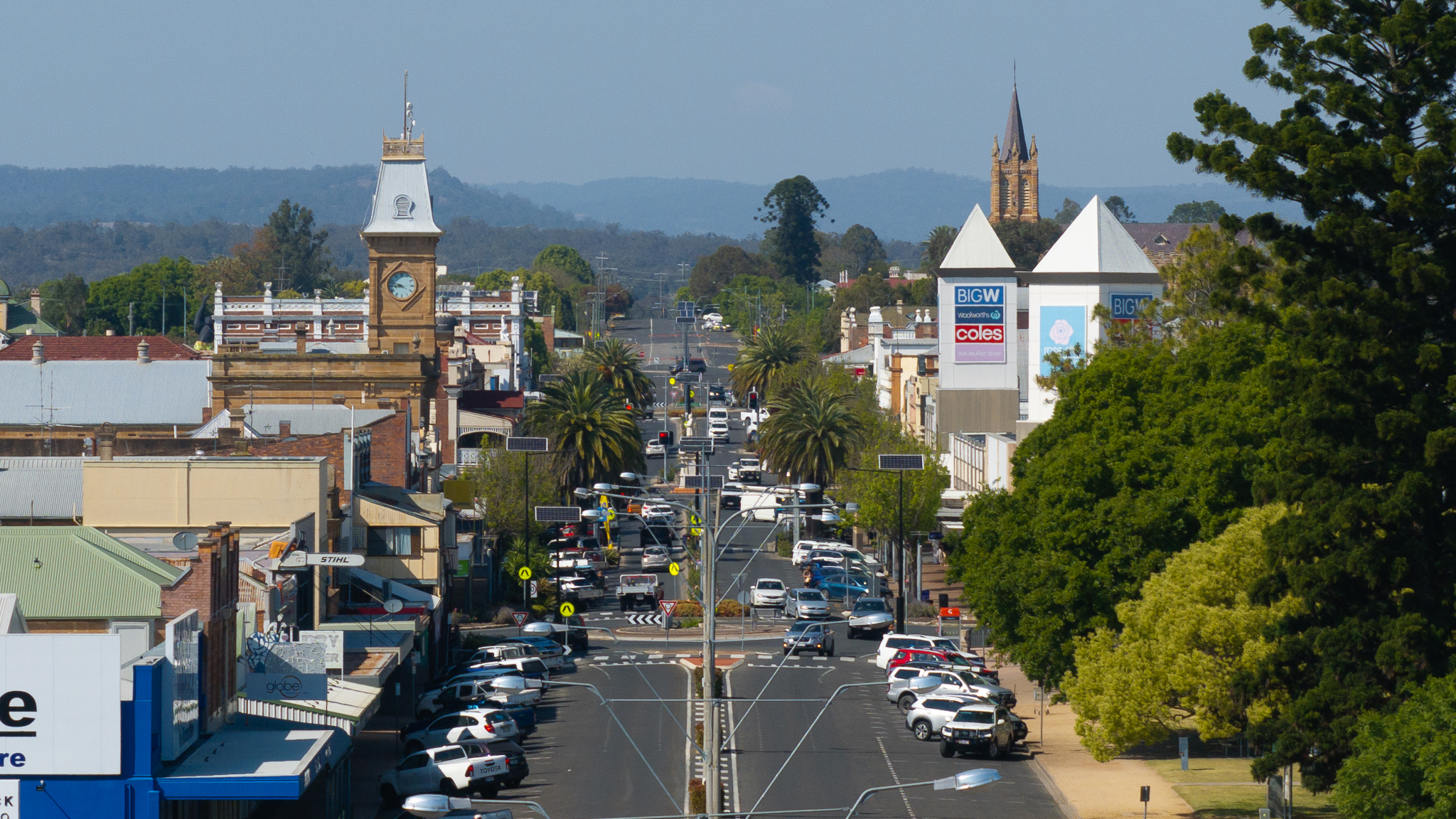
Major Regional Hub · Darling Downs
Warwick.
Warwick is the major regional hub on the Darling Downs.
Population of approximately 12,000 people.
Retail and health services.
Education facilities — primary through to secondary.
Agricultural and commercial infrastructure.
Where you go for the hospital, the high school, the hardware store.
Texas — a border town on the Dumaresq River, known for farming, river access, and rural industry — sits in the same network.
“A regional network that makes rural living practical, not precarious.”
Environmental Setting
Semi-arid, working, enduring.
The landscape surrounding Ironbark Station reflects Southern Queensland's semi-arid inland character.
Open, gently undulating grazing land.
Ironbark and eucalypt woodland.
Grasslands and water-edge ecosystems near the dam.
Red and brown soils suited to agriculture.
Strong sunlight, moderate rainfall, and periodic drought cycles.
“This is a working rural environment — shaped by time, climate, and land use.”
Not a traditional estate.
A new kind of suburb — one that breathes.
Each lot can host multiple homes, allowing parents, children, and even grandchildren to remain connected — living independently yet side by side. It's a model for intergenerational living, designed for Australia's next century.
The name Station is deliberate. In Australian history, a station has always meant scale — a property large enough to sustain itself, to support families, animals, and work. IronBark carries that legacy forward — but with a new intention: to create a living habitat where human life, nature, and infrastructure coexist.
This is not suburbia. It's not isolation. It's continuity — land built for those who think beyond themselves.
Stage 1 · Now Selling
13 Lots Available
Tap any lot for the full film, mortgage numbers, and reservation.
IronBark · Stage 1
Lot 1
100.12 acres
$631,000
IronBark · Stage 1
Lot 2
118.85 acres
$659,000
IronBark · Stage 1
Lot 3
99 acres
$890,000
IronBark · Stage 1
Lot 4
99 acres
$618,000
IronBark · Stage 1
Lot 5
103 acres
$631,000
IronBark · Stage 1
Lot 6
100 acres
$637,000
IronBark · Stage 1
Lot 7
100 acres
$680,000
IronBark · Stage 1
Lot 8
101 acres
$647,000
IronBark · Stage 1
Lot 9
99 acres
$609,000
IronBark · Stage 1
Lot 10
99 acres
$652,000
IronBark · Stage 1
Lot 11
109 acres
$625,000
IronBark · Stage 1
Lot 12
160 acres
$699,000
IronBark · Stage 1
Lot 13
100 acres
$631,000
Coming Soon
21 more lots · across Stages 2, 3 & 3+
Join the list — be first to know when we release them.
Stage 2
Lot 15
133 acres
Stage 2
Lot 16
105 acres
Stage 2
Lot 17
109 acres
Stage 2
Lot 18
100 acres
Stage 2
Lot 19
105 acres
Stage 2
Lot 20
112 acres
Stage 2
Lot 21
99 acres
Stage 2
Lot 22
273 acres
Stage 3
Lot 23
107 acres
Stage 3
Lot 24
115 acres
Stage 3
Lot 25
107 acres
Stage 3
Lot 26
184 acres
Stage 3
Lot 27
104 acres
Stage 3
Lot 28
99 acres
Stage 3
Lot 29
109 acres
Stage 3+
Lot 30
131 acres
Stage 3+
Lot 31
137 acres
Stage 3+
Lot 32
202 acres
Stage 3+
Lot 33
175 acres
Stage 3+
Lot 34
101 acres
Stage 2
Lot 14
100 acres
Get the call first
Notify me when Stage 2 lists
No spam. Just the release date and a first look.
A habitat begins when the first roots take hold.
Call 'Pony' to talk about your lot.